
Gas-Leak Detection
Ensuring Workplace Safety during National Safety Week 2026
Introduction
National Safety Week (March 4–10) underscores India’s commitment to accident prevention. The 2026 theme “Engage, Educate & Empower People to Enhance Safety” highlights training and awareness for safer workplaces. Yet official data reminds us that serious accidents still occur: collated labor ministry reports indicate roughly one major factory accident every two days. Many of these involve gas or chemical hazards that went undetected.
Key Safety Statistics in India
Industrial incidents in chemicals and related sectors remain a growing concern. Key figures to know:
- 130 major chemical accidents (2020–2022) occurred nationwide, resulting in 218 major accidents and over 300 injuries. (https://www.iasgyan.in/daily-editorials/industrial-accidents-the-human-cost-of-indifference)
- Gas/chemical leaks: Incidents rose from 13 in 2013 to 30 in 2023, signaling a rising safety issue. (https://www.ndtv.com/india-news/number-of-gas-leak-incidents-more-than-doubled-in-last-decade-centre-7293236)
- Regional hotspots: Gujarat accounted for 24 of the 30 gas leak incidents in 2023, reflecting concentrated industrial risk. (https://www.deccanherald.com/india/gujarat/number-of-gas-leak-incidents-rose-to-30-in-2023-maximum-in-gujarat-3326455)
- Frequent disasters: Reports show over 60 major fires and gas leaks in Gujarat in 2021 alone. (https://www.shankariasparliament.com/current-affairs/gs-iii/industrial-accidents-in-india)
Why Gas Safety Matters
Gas leaks are particularly dangerous because many toxic or flammable gases are colorless and odorless. Major industries—from chemical and pharmaceutical plants to oil refineries—handle such gases daily. Without continuous monitoring, a small leak can quickly become an explosion, fire, or poisoning hazard. Even routine maintenance (such as entering tanks or cleaning piping) can be deadly if gas levels go unchecked. Modern detection systems (portable and fixed gas monitors, plus central alert panels) close this safety gap by providing real-time alerts. Integrating these sensors into regular safety checks ensures leaks are caught early, aligning with the proactive safety culture championed by National Safety Week.
Preventing Gas Leak Incidents
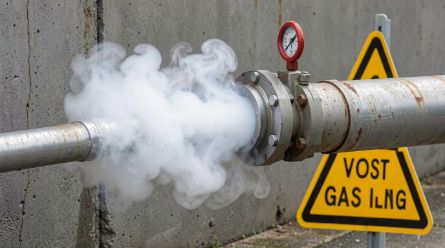
By following these steps, even hidden gas pockets can be detected before they pose a hazard. To know more about how to conduct gas leak analysis check this blog.
Continuous gas monitoring
Regular inspection & maintenance
Permit-to-work procedures
Safety training & drills
Ventilation and controls
What to Do If a Leak Occurs
Having a clear response plan can save lives and minimize damage:
- Sound the alarm immediately and notify emergency responders.
- Evacuate personnel to a safe area (preferably upwind). Do not use sparks or open flames.
- Isolate sources if possible (close valves, shut off supply) only if it can be done safely.
- Ventilate the area if safe to do so, using mechanical ventilation or opening outdoor paths.
- Seek medical attention for anyone exposed to the gas.
- Report and learn: After the incident, investigate the cause and update safety procedures to prevent recurrence.
Conclusion
National Safety Week reminds us that vigilance must be year-round. The rise in India’s industrial incidents—especially from gas leaks and chemical releases—shows that every facility needs robust safety measures. By embedding continuous monitoring, strict procedures, and regular training into the safety culture, industries can detect hazards early and keep every worker safe. Let this Safety Week be a catalyst for action: review your gas safety systems, reinforce your emergency plans, and make sure every employee goes home safe each day.
Sources: Official industrial safety reports and news (Indian Ministry data).