CO2 (Carbon Dioxide)
Produced by human breathing; high concentration indicates poor ventilation and overcrowding.
Do you often feel tired, fatigued, irritated or at discomfort in your home, workplace or vehicle? If yes, you may be a victim of poor Indoor Air Quality.
I have compiled a list of 4 simple steps that you can follow to drastically improve the Indoor Air Quality.
Produced by human breathing; high concentration indicates poor ventilation and overcrowding.
Generated from dust, smoke, construction activities, cooking, and HVAC filters.
Released from paints, adhesives, perfumes, cleaning chemicals, flooring, and office printers.
Emitted from malfunctioning heaters, generators, or gas stoves; a deadly, odorless gas.
Result from industrial processes and combustion activities.
Mold, bacteria, pet dander, and pollen thrive in high humidity or poorly ventilated areas.
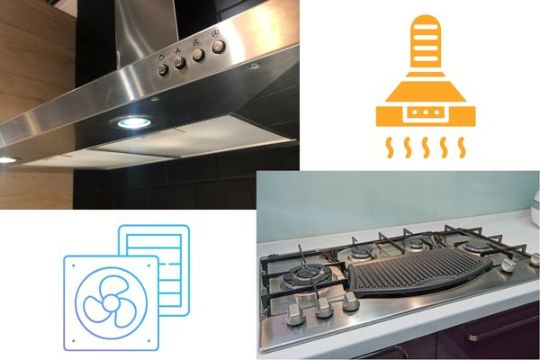
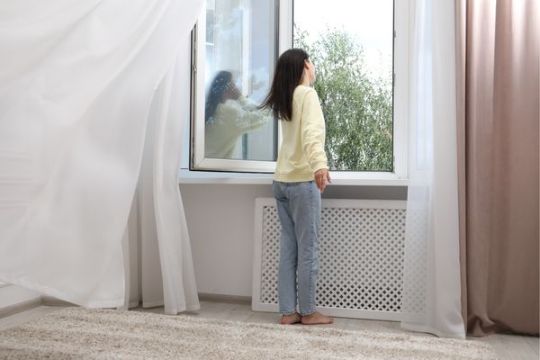
Improving IAQ requires a combination of awareness, corrective measures, and technology. Start with increasing natural ventilation—open windows where possible, or integrate mechanical ventilation and exhaust systems to circulate fresh outdoor air. Maintain humidity between 40–60% to prevent mold growth. Use HEPA filters, air purifiers, and properly serviced HVAC systems to remove particulate matter and biological contaminants.
One of the most effective steps is real-time IAQ monitoring using smart sensors that continuously measure CO₂, VOCs, particulate matter, and temperature-humidity parameters. These solutions provide alerts when air quality drops, helping facility managers take immediate action. For workplaces, maintaining CO₂ levels below 800 ppm improves decision-making and productivity. Select low-emission materials, ensure proper maintenance of combustion appliances, and reduce the use of chemical cleaners and fragrances. Combining these strategies creates a proactive, reliable approach to achieving cleaner indoor environments.
Conclusion
Indoor Air Quality influences health, comfort, and workplace performance. As buildings become smarter and more sealed, IAQ risks are increasing, and ignoring them can result in productivity loss and health hazards. ESPM Sense enables homeowners, commercial establishments, and industries to measure, understand, and improve air quality through intelligent sensing solutions. Clean indoor air is not an option—it is a fundamental necessity. With ESPM Sense, achieving it is simple, scientific, and sustainable.